Oct 2026
Reimagining the Future of Mixed-Use Neighbourhoods
I’ve just returned from a short break in New Zealand—but that’s for another post. An unexpected highlight was my stopover in Guangzhou. Not so much the layover hotel as everything around it: the heat, humidity and colour, but also the dynamism, constant movement and sense of muted optimism.
The airport itself has become a vast, five runway, multi-terminal hub—a jaw-dropping transformation since my first visit some 20 years ago. But it was the much smaller-scale activity beyond the airport that really caught my attention.
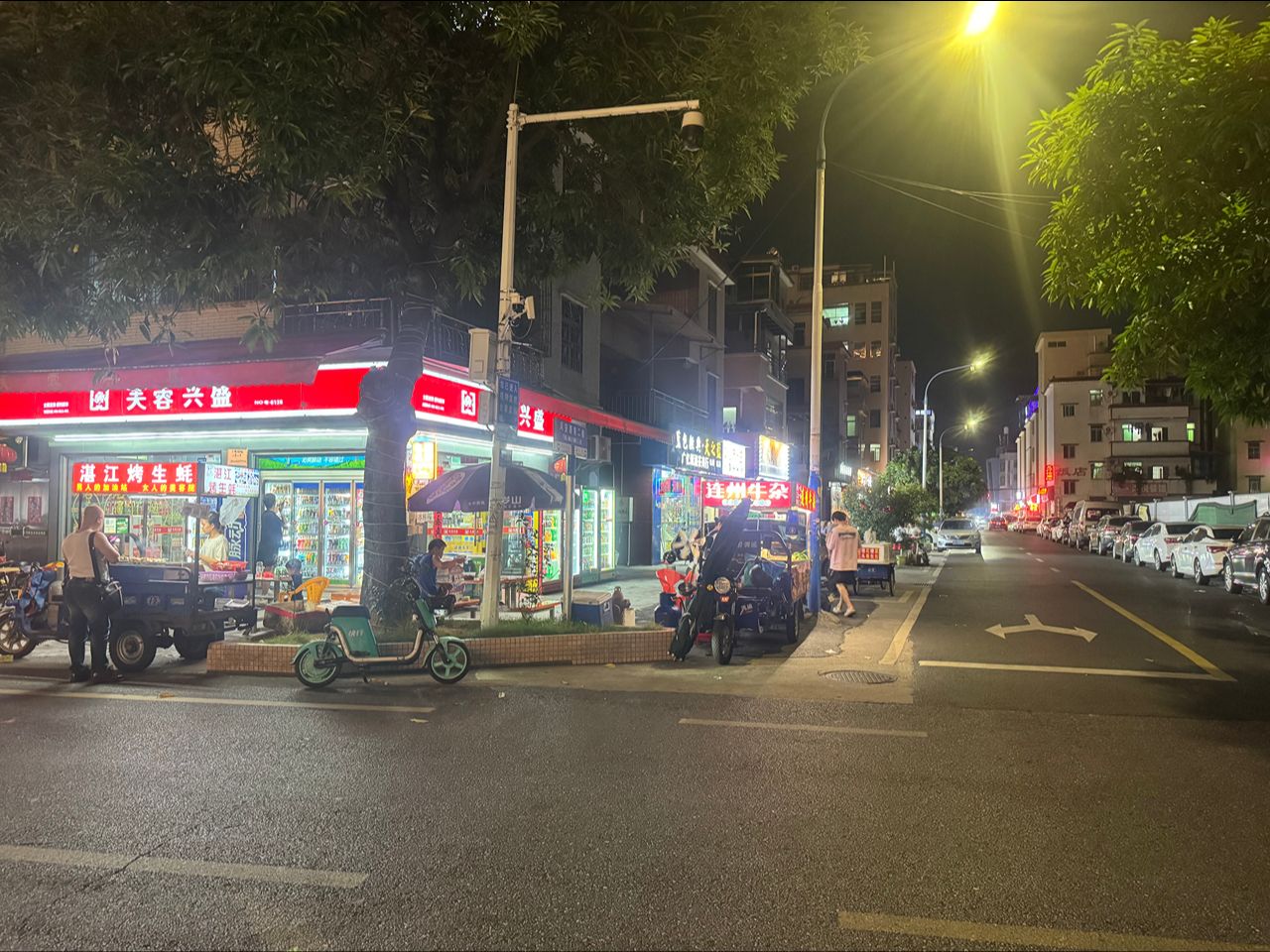
What stood out was the mix of uses in the neighbourhood around the hotel. Light industry, warehousing and small workshops coexisted with homes, sometimes within the same buildings and blocks. Everyday life spilled onto the streets, where public seating and small play areas sat alongside workplace entrances and loading bays. To me, much of the vibrancy came from that combination of density, diversity and activity.
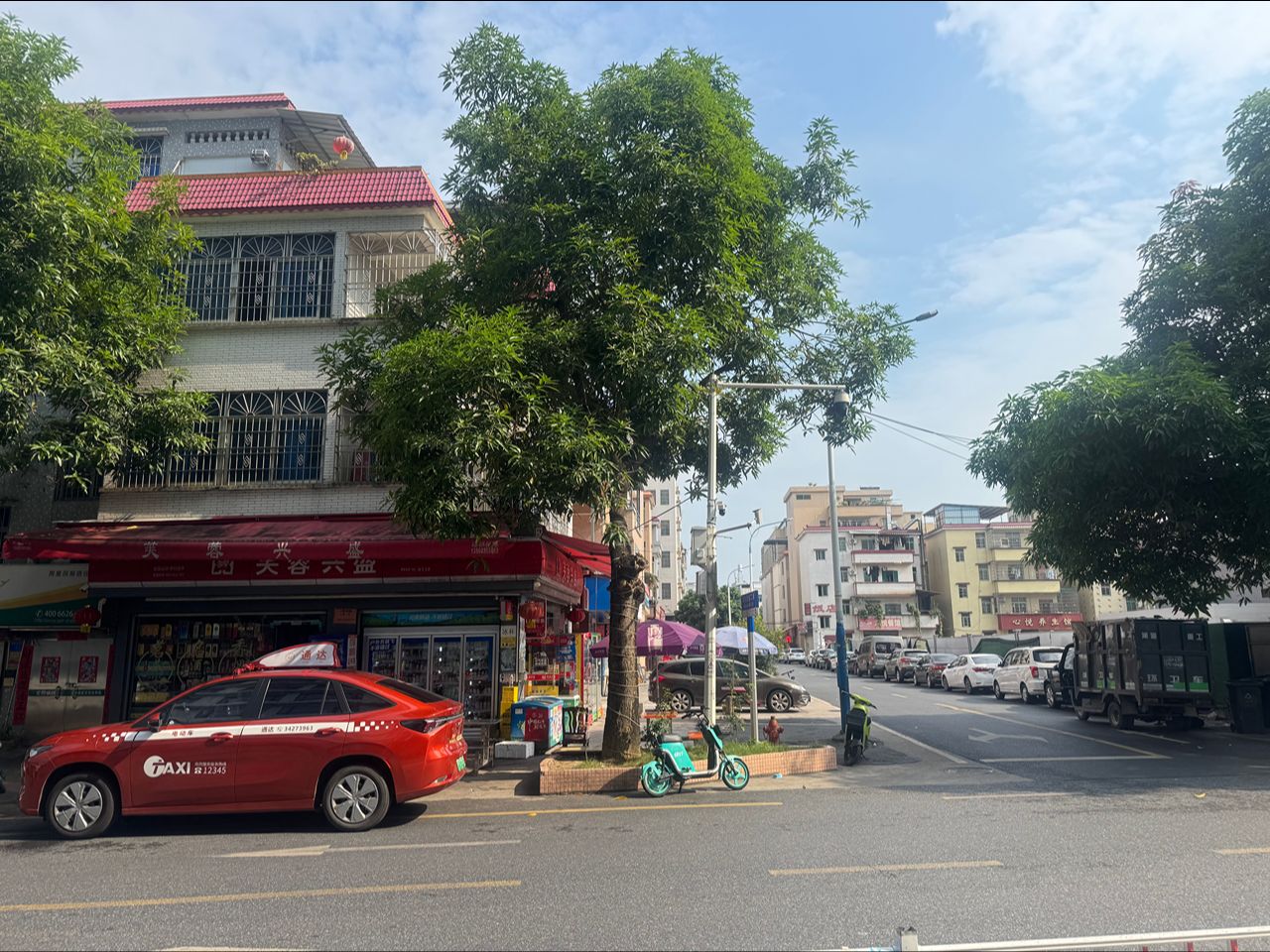
It brought to mind the historical mixed-use traditions of our own cities—whether London, Paris or New York—and the idea of neighbourhoods where working, living and socialising are woven together rather than assigned to separate places.
I can’t help thinking that we have lost something. When we lament the decline of pubs, churches and high streets, should we also be asking what happens when homes, jobs and social life become increasingly separated? Suburban living has its attractions, but I wonder whether we have paid enough attention to what that separation means for the everyday life of our neighbourhoods.
We need a better balance. This chimes with the co-location work that Christopher Schiele, Catriona Fraser and the team at Turley have explored over recent years: bringing homes and industrial employment space together, rather than assuming that one must displace the other. It is an approach already reflected in London planning policy, and one that offers a useful lens through which to consider the future of other British cities.
Co-location is not without limits. We need to take compatibility, noise, air quality, fire safety, servicing and long-term management seriously—and make these places work for businesses as well as residents. Not every use or site will be suitable.
But the potential to support local employment and more varied, active neighbourhoods deserves serious consideration. The aim should not be to recreate the past or copy Guangzhou wholesale, but to recover something valuable: places where making, working, living and socialising belong together.

Share


