Oct 2026
The Englishman’s castle? Land, building and tenure…
At GTH, we have used a wide range of DfMA and offsite systems, often combining them to meet specific project needs. We have created innovative housing types, which offer flexibility and performance within the “constraints” of DfMA and OffSite, and the goal is consistent: better-performing homes, fewer defects and affordable delivery at scale.
But offsite adoption is not just about how we build. It also challenges how we think about ownership, value and the relationship between a home and its plot.
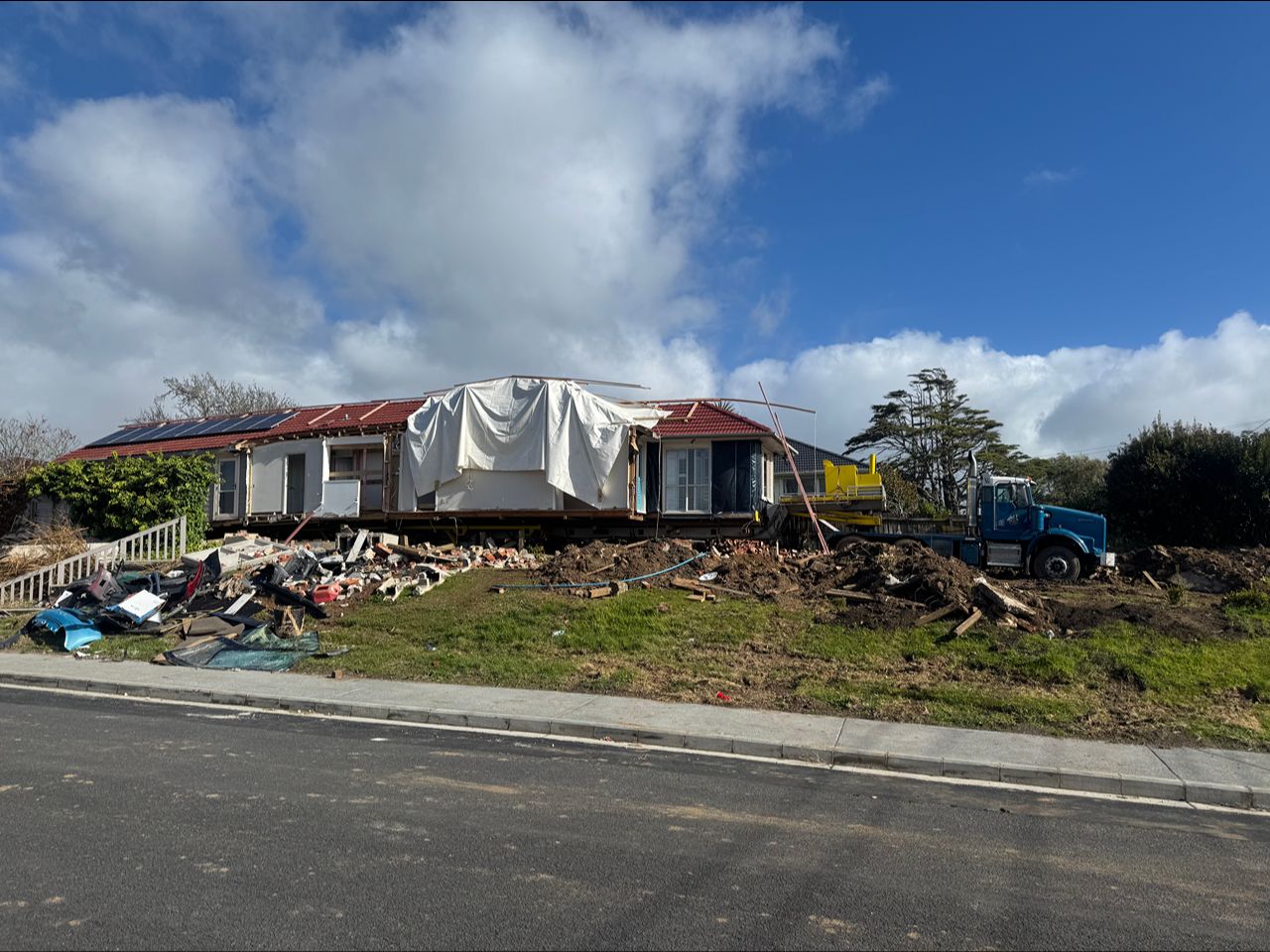
In New Zealand recently, I saw a house being carted away whole by truck, freeing its site for redevelopment and being taken off to a used-house lot for resale. It was a striking reminder that a home need not be permanently tied to the land beneath it. That does not resolve UK specific challenges, but it does invite a broader view of housing as something that can be sold, relocated and reused – and the use of vesting or advance payment bonds (Vesting certificate for construction goods plant or materials - Designing Buildings)
It reminded me of the 165,000 Reasons campaign’s (Home - 165,000 Reasons) presentation at UKREiiF, proposing good-quality, relocatable homes on consented but undeveloped land. Alongside addressing immediate housing needs, could this thinking inspire different models for long-term provision—perhaps owning the land while leasing the home?
Such models would need to demonstrate genuine affordability over time and security for residents, rather than simply a lower upfront cost.
Offsite’s next breakthrough may depend as much on innovation in ownership and finance as on manufacturing: changing not just how homes are built, but how people can afford and retain them
Share


